

The hidden psychology behind casino gambling decisions
The allure of risk and reward
The thrill of gambling often stems from the inherent allure of risk and reward. Players are drawn to the excitement of potentially winning significant amounts of money against the backdrop of uncertainty. This psychological phenomenon is rooted in the brain’s reward system, which releases dopamine when we anticipate a win. The anticipation itself can be enough to keep players engaged, fueling a cycle of behavior that reinforces their desire to gamble. For those exploring their options, various canadian casino sites can enhance the overall experience.

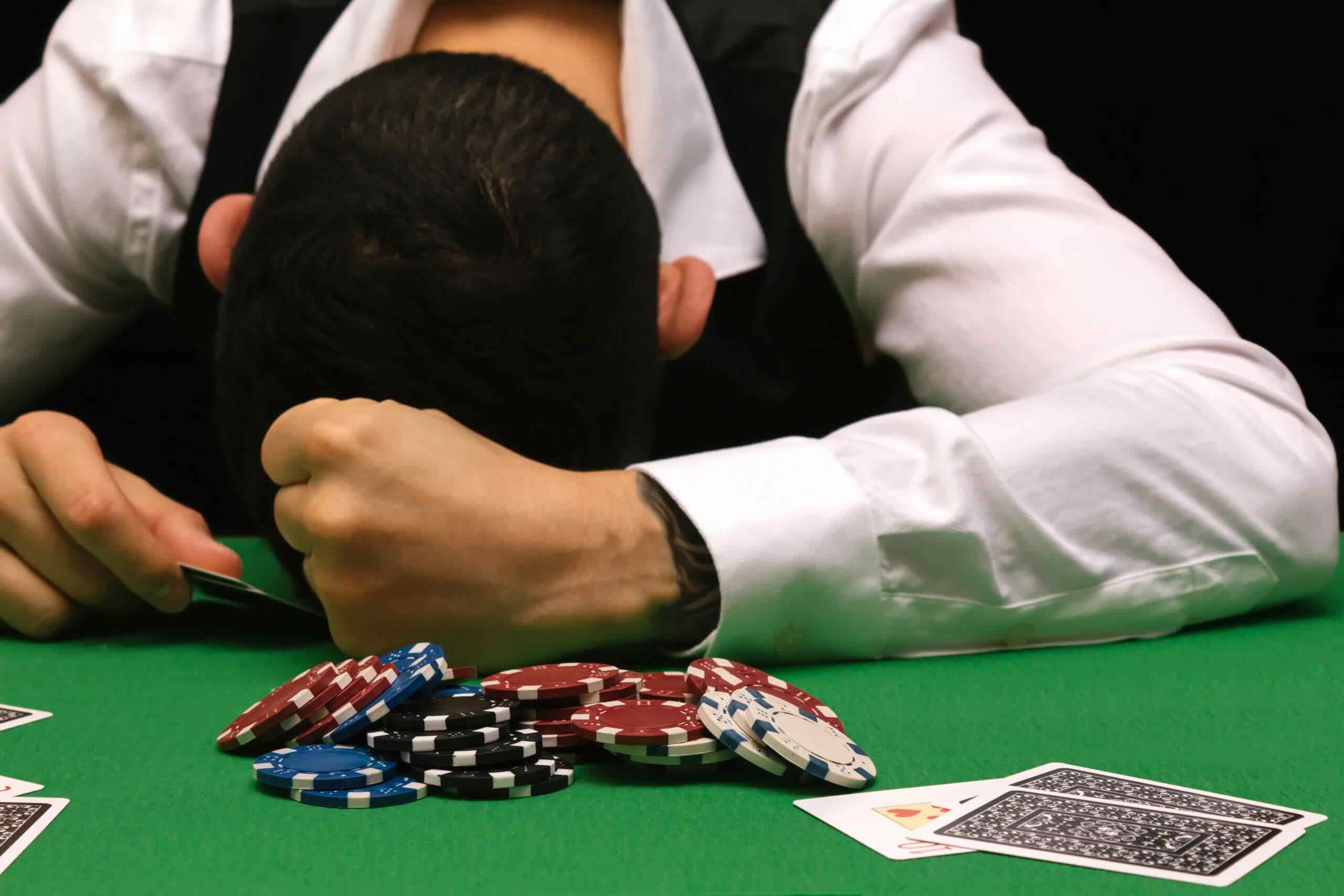
Additionally, the concept of loss aversion plays a significant role in gambling decisions. This refers to the tendency for people to prefer avoiding losses rather than acquiring equivalent gains. When players experience a loss, they may feel an increased drive to gamble again in hopes of recouping their previous losses, which can lead to a potentially dangerous spiral of behavior.
The impact of environment and design
The environment in which gambling occurs is meticulously crafted to enhance the experience and influence decision-making. Casinos are designed with captivating lights, sounds, and layouts that create an immersive atmosphere. This sensory stimulation can distort a player’s perception of time and money, making them more likely to stay longer and gamble more. The architecture of casinos often encourages movement through various gaming areas, enticing players to engage with multiple games.
Moreover, the strategic placement of slot machines and tables is intentionally designed to maximize engagement. The sounds of winning, along with the visual effects, can create an illusion of frequent success, reinforcing the idea that a jackpot is just one more spin away. This psychological manipulation is a crucial element in the decision-making process for gamblers.
Social influences on gambling behavior
Among the many factors affecting gambling decisions, social influences are paramount. Peer pressure and the social context in which gambling occurs can significantly shape a player’s behavior. Friends or family members engaging in gambling can create a sense of camaraderie and normalization around the activity, making it more acceptable and enticing.
Additionally, social media and online platforms have further amplified this influence. The sharing of wins and experiences can create a community atmosphere that encourages others to participate. Players often seek validation and excitement through social interactions, which can further entrench their gambling habits.
Decision-making and cognitive biases
Gamblers are often subject to various cognitive biases that can skew their decision-making processes. For instance, the gambler’s fallacy is a common belief where individuals think past events influence future outcomes in random games. This can lead players to make poor decisions based on misconceptions about odds and probabilities.
Another relevant bias is the illusion of control, where individuals believe they have more influence over random outcomes than they actually do. This can result in a heightened sense of confidence and risk-taking, as players may overestimate their ability to predict or affect results in games of chance.
Commitment to user safety and experience
At northernstars.ca, we prioritize the safety and experience of our users in the online gambling environment. Our platform employs advanced security measures to protect against potential threats, ensuring that every interaction remains safe and secure. We understand that while the allure of gambling is strong, user safety is paramount.
If users encounter any issues or suspicious activity during their visit, we offer guidance to resolve these concerns efficiently. Our commitment to customer support includes direct assistance to address any questions or problems, reinforcing our dedication to providing a secure and enjoyable online gambling experience.