

Understanding the psychological thrills behind gambling behaviors
The Allure of Risk and Reward
Gambling captivates many individuals by tapping into their innate desire for risk and reward. The thrill of placing a bet and potentially winning large sums of money creates a powerful emotional response. This psychological phenomenon is rooted in the brain’s reward system, which releases dopamine—a neurotransmitter associated with pleasure—during moments of risk-taking. The anticipation of winning can lead to an exhilarating rush that keeps players returning for more. Many enthusiasts seek out platforms to experience the aviator game online due to its thrilling nature.
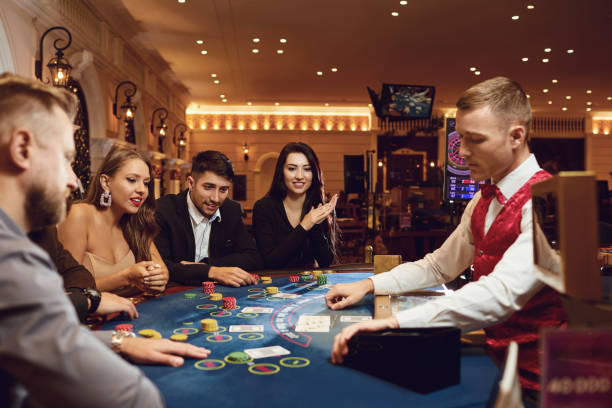
Furthermore, this thrill isn’t solely about financial gain; it’s about the adrenaline that accompanies the possibility of an unexpected win. Each spin of the wheel or flip of a card becomes a psychological experiment, heightening excitement. As a result, gambling often transforms into a compulsive behavior, driven by the euphoric experiences that players seek again and again.
The Role of Cognitive Biases
Cognitive biases significantly influence gambling behaviors, often skewing a player’s perception of chance and risk. For instance, the illusion of control is a common bias where individuals believe they can influence the outcome of a game, even when it is purely based on luck. This belief can lead to overconfidence, encouraging players to gamble more frequently and with higher stakes.
Moreover, the gambler’s fallacy contributes to distorted thinking patterns. Many players think that past outcomes affect future results, leading them to believe that a win is due after a series of losses. These cognitive biases create an environment where the unpredictability of gambling is misinterpreted, driving players deeper into the thrill of the game.
Celebrity Influence on Gambling Behaviors
The impact of celebrity culture on gambling cannot be overlooked. Celebrities often portray a glamorous lifestyle associated with high-stakes gambling, influencing fans to emulate their behaviors. This phenomenon can create a perception that gambling is a pathway to fame and fortune, further enticing individuals to participate.
Additionally, celebrity endorsements and appearances in gambling venues can normalize the activity, making it appear more acceptable and desirable. As a result, fans may find themselves drawn to gambling games like the aviator game online, motivated by the allure of celebrity lifestyles and the psychological thrill they witness.
The Social Aspect of Gambling
Gambling is not just an individual activity; it often incorporates a social element that enhances the experience. Social interactions during games can amplify the excitement, as players engage with others who share the same thrill-seeking behaviors. This communal aspect fosters a sense of belonging and camaraderie, making gambling more attractive.
Moreover, social media and online platforms have made it easier for players to share their experiences, wins, and losses with a wider audience. This increased visibility can lead to a culture of bragging rights, encouraging individuals to gamble not just for personal enjoyment but also for social validation.

Experience the Excitement with Aviator
For those intrigued by the psychological thrills of gambling, the Aviator game offers an exhilarating platform to explore. With its fast-paced gameplay and potential for high multipliers, it embodies the excitement that draws many players into the world of online gambling. The combination of strategy, chance, and the thrill of risk can provide a captivating experience.
Join the Aviator community to understand the psychological underpinnings of your gaming behaviors while enjoying the rush of the game. With helpful guides and resources available, you can enhance your experience and embark on a journey that delves into the thrilling world of gambling.